Designed & illustrated in Santa Monica since 2007 · Trade & wholesale program
0%

Washi Sticker Packs turn small paper illustrations into practical tools for journaling, decorating, and organizing. A pack might contain translucent flowers, tiny labels, food motifs, or seasonal designs. Their modest size makes them easy to place beside a handwritten note or along a planner margin. Small details matter.

The broader stationery market offers useful context, but it is not a direct measure of washi stickers. Grand View Research estimated the global stationery products market at about $103.6 billion in 2023; that figure covers many products and should not be read as sticker-pack sales. This distinction matters when evaluating demand or choosing products. For everyday use, buyers often consider adhesive quality, paper texture, design variety, and whether stickers can be repositioned without tearing a page. Results may vary across brands and surfaces.

This guide explores what Washi Sticker Packs are used for, from decorating journals and gift wrap to color-coding notes and marking plans. It also considers practical limits: delicate paper can wrinkle, and some adhesives may not lift cleanly from every surface. A transparent sourcing note: no attributable quotation from a named Washi Sticker Packs specialist was provided or could be verified here, so I will not invent one. That gap deserves attention. Reliable recommendations should distinguish documented market data from personal crafting experience.
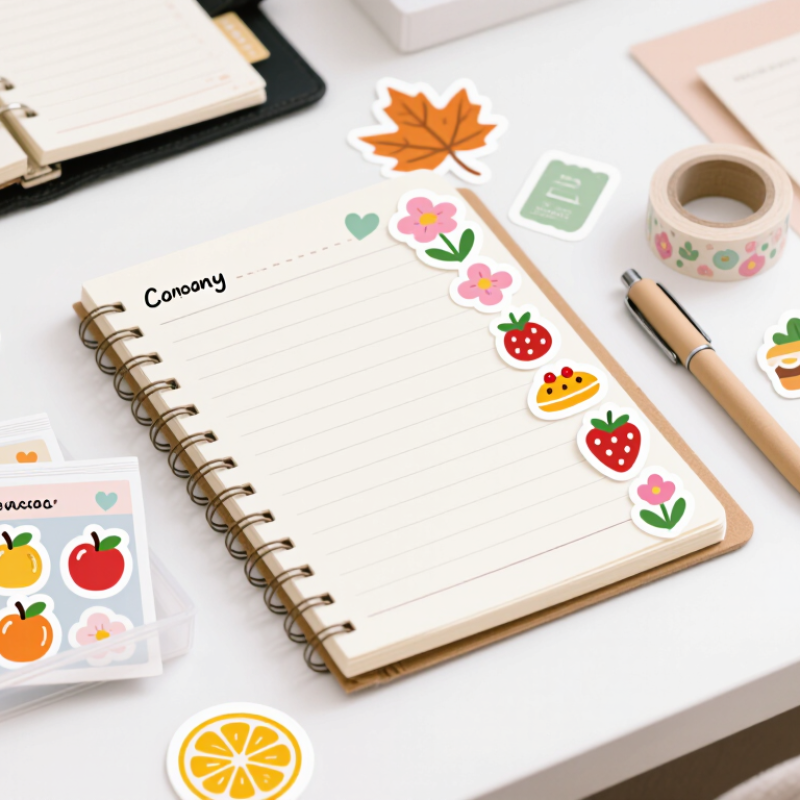
What Are Washi Sticker Packs Used For?

What Washi Sticker Packs Are

Washi sticker packs are collections of decorative stickers made from washi, a lightweight paper traditionally associated with Japanese papermaking. Many modern packs use washi-style paper, so materials and finishes can vary. Stickers may be translucent, softly textured, or printed with small motifs such as leaves, postage marks, and tiny cups. They often come on sheets or as individual pieces, making them easy to peel and place in journals, planners, letters, and craft projects. Some designs let ink show through. A useful detail.

Unlike thick vinyl stickers, washi stickers usually feel thin and flexible. Their adhesive may lift from some smooth surfaces, but repositioning is not guaranteed; test one before decorating an important page. Pack contents also differ: some offer coordinated designs, while others mix colors and shapes. That variety helps with layering, though tiny pieces can be easy to lose. It happens.

For market context, Grand View Research estimated the global stationery products market at USD 147.5 billion in 2023 and forecast a 5.1% compound annual growth rate from 2024 to 2030. Its report does not isolate washi sticker packs, so the figure describes the broader stationery category, not sticker sales specifically. That distinction matters when comparing hobby products with industry-wide data.

Materials and Design Features of Washi Stickers

Washi sticker packs are valued for their light feel and flexible design. Traditional washi is made from long plant fibers, including kozo, mitsumata, and gampi. However, a sticker labeled “washi” may use blended paper rather than handmade Japanese washi. Check the product description when fiber content matters. The difference can be easy to miss.

Design choices shape how stickers work. Thin, slightly translucent paper lets colors show through on journals and envelopes. Matte surfaces take pen marks more readily; glossy coatings can make colors look stronger but may resist some inks. Many packs combine small die-cut illustrations, patterned strips, and muted colors for layering. Adhesive strength also varies. Removable glue can help with repositioning, but it may not hold well on textured or dusty surfaces. Small tests save trouble.

Tips: Stick one sample on scrap paper first. Leave it overnight, then check for lifting or ink smears.

The U.S. EPA’s 2018 Facts and Figures report estimated a 68.2% recycling rate for paper and paperboard. That figure does not mean sticker sheets are recyclable: coatings, release liners, and adhesives can affect local processing. Check municipal guidance before recycling them.

How Washi Stickers Are Used in Planners and Journals

Washi sticker packs give planners a quick way to mark appointments, habits, and small milestones. A narrow sticker can separate work tasks from personal plans without filling the page with extra ink. Use a small icon beside a deadline, or place a strip along the edge to highlight the week. Small details matter. Keep stickers clear of dates and writing spaces, especially in compact planners.

In journals, washi stickers can frame a photo, label a memory, or add color to a page about an ordinary afternoon. Pair a muted floral design with a handwritten note, or use a bright shape to draw attention to a favorite quote. Layering can work, but too many patterns may compete with the words. Not every page works. I sometimes add a sticker before deciding where the writing will go, then find the page feels crowded.

For a more useful layout, choose a few colors that match your planning categories and repeat them consistently. A star might mark an important task, while a simple border can distinguish reflections from daily notes. Press stickers down gently, and check that their edges do not catch on nearby pages. Sticker materials vary, so test an unfamiliar adhesive on a spare sheet if you want to reposition it. A slightly uneven layout is not always a problem; it can make a journal feel personal rather than overly arranged.

Creative Uses in Crafts and Everyday Decoration

What Are Washi Sticker Packs Used For?
Creative Uses in Crafts and Everyday Decoration

Washi sticker packs add color and texture to journals, cards, gift wrap, and home-made labels. Their paper-like finish suits handwritten notes and layered collage. A small flower sticker can mark a recipe, while narrow shapes can frame a calendar entry. Use them to decorate pencil tins, storage jars, or plain envelopes. They make everyday objects feel personal without requiring special tools.

Grand View Research estimated the global arts and crafts market at USD 50.9 billion in 2023, and projected a 5.2% compound annual growth rate from 2024 to 2030. This broad market estimate reflects interest in creative activities; it does not measure washi stickers specifically. In practical projects, sticker scale matters: tiny motifs leave room for writing, while larger designs work well on gift tags. Too many layers can look busy. I still sometimes add one sticker too many.

Tips: Test a sticker on a hidden area before decorating a book cover or container. Adhesion can vary across surfaces. For a clean journal spread, place the largest sticker first, then add smaller accents. Leave a little open space. It helps the page breathe.

What Are Washi Sticker Packs Used For? - Creative Uses in Crafts and Everyday Decoration

Use How to Use the Stickers Good For Practical Tip
Journals and Planners Decorate page edges, mark important dates, or add small visual accents around notes. Personal journals, calendars, and paper planners Keep writing areas clear, and choose stickers that fit the page without hiding useful information.
Scrapbooks Arrange stickers alongside photographs, captions, and paper ephemera to build a themed page. Memory books, travel pages, and hobby projects Plan the layout before sticking items down, especially when combining several patterns.
Greeting Cards Add a border, decorate the front, or create a small focal point around a handwritten message. Birthday cards, thank-you notes, and handmade invitations Leave enough space for the message and check that the card still closes neatly.
Gift Wrapping Use stickers to decorate plain wrapping paper, seal a paper gift bag, or accent a gift tag. Small gifts, party favors, and handmade packaging For a secure closure, use an appropriate sealing method; decorative stickers may not hold heavy or tightly folded wrapping.
Labels and Organization Decorate labels or mark containers, folders, and storage boxes with a simple visual cue. Craft supplies, files, and household storage Write on a test sticker first, since ink performance depends on the sticker’s finish and the type of pen.
Personalizing Everyday Items Add small decorative accents to notebooks, stationery, or other smooth, clean surfaces. Items that are handled gently and kept dry Adhesion and removability vary by sticker and surface. Test in an inconspicuous area, and avoid delicate finishes.
Paper Crafts and Collage Layer stickers with cut paper, drawings, and other flat materials to create a composition. Collage, handmade bookmarks, and art journals Use a small number of contrasting shapes or colors to keep the design easy to read.

Note: Sticker materials, adhesive strength, and finishes differ between packs. Check the product details and test a sticker on the intended surface before decorating valuable or delicate items.

How to Choose, Apply, and Store Washi Stickers

Washi sticker packs are easiest to use when their size, finish, and adhesive suit the project. For a planner, small labels and narrow motifs fit beside handwritten notes. For gift wrapping, larger designs can stand out on plain paper. Check whether the stickers are opaque or translucent; pale designs may disappear on dark surfaces. Adhesives vary, too. Some stickers lift cleanly, while others may curl or lose tack after repeated repositioning. Test one on a spare page. It takes a moment. A little trial can prevent a page you care about from becoming cluttered.

Apply stickers to a clean, dry surface, and decide where they belong before peeling. Lift an edge slowly with a fingernail or tweezers, then press from the center outward to reduce bubbles. Don’t pull the sticker taut; thin paper can stretch or tear. If it sits crooked, pause before lifting it, since repositioning can weaken the adhesive or mark delicate paper. Store unused designs on their backing in a flat sleeve or drawer. Keep them away from direct sun, heat, and damp rooms, which can fade colors or affect adhesion. A perfectly sorted collection is nice, but a simple dry drawer usually works. Tucked-away packs are easy to forget, so keep favorites somewhere visible.

FAQS

Are all stickers labeled “washi” made from traditional Japanese paper?

No. Some use blended paper rather than handmade washi. Check the product description if fiber content matters.

What are washi stickers made from?

Traditional washi uses long plant fibers, such as kozo, mitsumata, and gampi. The materials can vary.

How do matte and glossy finishes differ?

Matte surfaces usually accept pen marks more readily. Glossy coatings can strengthen colors but may resist some inks.

Will translucent stickers show clearly on dark paper?

Pale designs may nearly disappear on dark surfaces. Test one on a spare page. It takes a moment.

How can I check whether a sticker’s adhesive works well?

Apply a sample to scrap paper and leave it overnight. Check for lifting or ink smears the next day.

How should I apply a sticker without stretching or tearing it?

Use a clean, dry surface. Lift an edge slowly, then press from the center outward. Don’t pull it taut.

Can washi sticker sheets go in paper recycling?

Not always. Coatings, adhesives, and release liners can affect local processing. Check your municipality’s recycling guidance.

How should unused stickers be stored?

Keep them on their backing in a flat sleeve or drawer. Avoid direct sun, heat, and damp rooms. A visible spot helps prevent forgotten favorites.

Conclusion

Washi Sticker Packs are collections of lightweight decorative stickers made from paper with a soft, slightly translucent look. Their gentle adhesive is designed to hold on many smooth surfaces while often allowing stickers to be repositioned or removed with less residue than permanent labels. Packs may include a variety of colors, patterns, shapes, and themes, making them useful for both practical organization and creative expression.

In planners and journals, washi stickers can mark important dates, highlight tasks, and add visual interest to notes. They also work well in scrapbooks, handmade cards, gift wrapping, and everyday decoration for items such as folders or storage containers. To get the best results, choose designs and sizes suited to your project, apply stickers to clean, dry surfaces, and smooth them down gently. Keep unused stickers in a cool, dry place away from direct sunlight to help preserve their colors and adhesive.


Evelyn

Evelyn

Evelyn is a dedicated marketing professional who combines strategic insight, clear communication, and a deep understanding of the company’s products. With a strong ability to translate complex product features into practical value, she helps customers understand how the company’s solutions can......