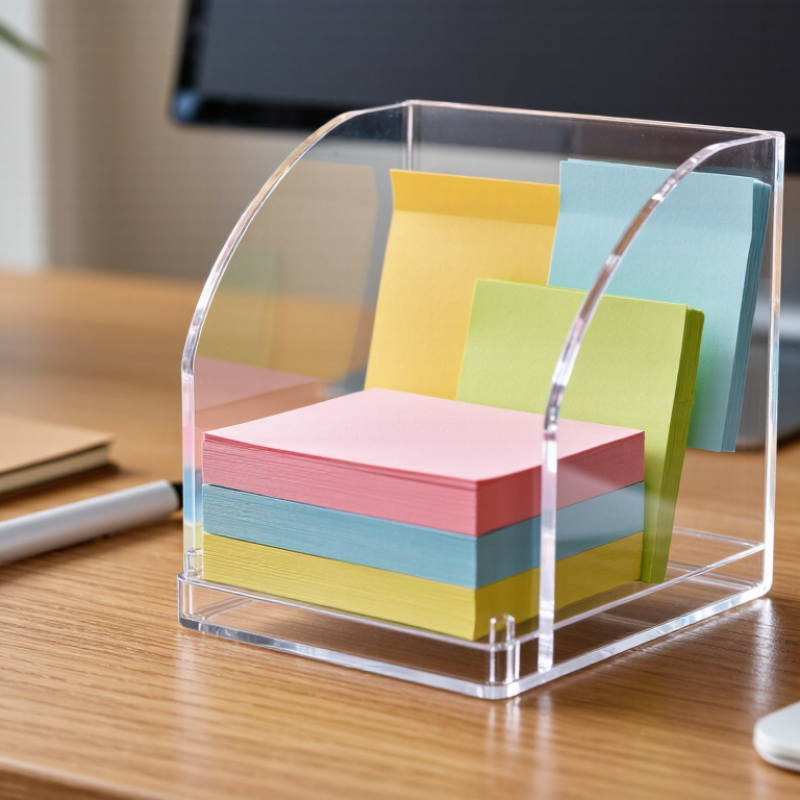
Choosing the best Pop Up Sticky Notes involves more than selecting attractive colors or a convenient dispenser. These small office tools support reminders, labeling, studying, and daily planning. Their performance depends on paper quality, adhesive strength, sheet size, and dispenser design. A practical choice should match the writing surface, usage frequency, and working environment.
Start with the paper. Smooth sheets usually accept ballpoint pens, pencils, and fine-tip markers more cleanly. Test for ink drying time, especially when notes will be stacked quickly. Adhesive quality matters just as much. A reliable note should stay attached to a clean surface without leaving noticeable residue. However, adhesion can weaken on dusty walls, textured desks, or cold equipment. Small details matter.
The dispenser also deserves careful attention. Look for a stable base, simple sheet separation, and a refill system that does not jam easily. Product specifications can help, but real user feedback often reveals practical problems, such as curled edges or inconsistent dispensing. Established stationery manufacturers may provide clearer material information and quality controls, although brand reputation is not perfect evidence. Even experienced buyers can overlook refill availability. A low purchase price may become inconvenient when replacement sheets are difficult to find.
Color, size, and sustainability should support the intended task. Bright colors can improve visibility, but excessive color variety may create visual clutter. Recycled paper is useful when its surface remains suitable for writing. The ideal Pop Up Sticky Notes should feel dependable during ordinary work, not merely look impressive in a product photograph. A careful comparison leads to a more informed and realistic purchase.
Understanding Pop Up Sticky Notes and Their Main Uses
How to Choose the Best Pop Up Sticky Notes?
Understanding Pop Up Sticky Notes and Their Main Uses
Pop up sticky notes are pre-stacked notes that rise from a dispenser after each sheet is removed. They support quick writing when both hands are busy. A note can mark a report, label a storage box, or capture a phone message. Their compact design also keeps loose paper from spreading across a desk.
In practical use, paper thickness matters. Thin sheets may curl near a warm laptop or tear during removal. A stronger adhesive helps notes stay on folders, glass, and smooth plastic. However, excessive adhesive can leave residue on delicate surfaces. Test one note first. The dispenser should release a single sheet without pulling up the next one. That small detail affects speed during meetings or classroom work.
Color can improve visual sorting, but bright shades may reduce readability with certain pens. Soft colors usually work better for longer notes. Select a size that matches the task, not the package appearance. Small notes suit reminders, while larger sheets hold instructions or short checklists. I once chose a compact dispenser for convenience, but the notes were too narrow for my handwriting. That choice looked efficient and proved frustrating. A reliable option balances paper quality, adhesive performance, dispenser control, and writing space. It should fit naturally beside a keyboard, notebook, or telephone. Loose notes are easy to lose. A stable dispenser reduces that problem.
How to Choose the Best Pop-Up Sticky Notes?
Understanding Pop-Up Sticky Notes and Their Main Uses
Common pop-up sticky note formats are compared by approximate writing area. Smaller 7.6 × 7.6 cm notes work well for quick reminders and page markers, while larger formats provide more space for task lists, meeting notes, and longer messages. Pop-up dispensing is especially useful when notes need to be accessed quickly with one hand.
Comparing Note Size, Adhesive Strength, and Paper Quality
How to Choose the Best Pop Up Sticky Notes?
Choosing pop-up sticky notes starts with the work they must handle. A small 2-by-2-inch sheet suits quick reminders beside a keyboard. Larger notes hold meeting actions, phone numbers, or a rough diagram. Measure your writing habits, not just your desk space. I test a pad by writing three lines with a medium ballpoint. If the text feels cramped, the note is too small. Simple, but useful. Pop-up dispensing also matters. The next sheet should lift cleanly without tearing the corner.
Adhesive strength needs a practical test. Place one note on clean glass, painted drywall, and a paper folder. Check it after an hour, then again the next morning. Strong adhesive helps on vertical surfaces, but it may curl delicate paper or leave residue. Light adhesive is gentler, though it can fall during transport. Do not trust a single showroom peel. Dust, humidity, and textured walls change the result. I once chose a pad that held well on glass but failed on a fabric-covered board. That mistake changed my testing routine.
Paper quality affects writing, repositioning, and readability. Look for a smooth surface that accepts ink without feathering. Thin paper can work for short reminders, but it often wrinkles after several moves. A slightly heavier sheet feels more stable in a busy notebook. Check whether the adhesive covers the top edge evenly. Uneven glue can make pages stick together or dispense two at once. Pale shades improve contrast, while intense colors may distract during review. Samples reveal more than packaging claims.
How to Choose the Best Pop Up Sticky Notes? - Comparing Note Size, Adhesive Strength, and Paper Quality
Comparison of common pop-up sticky note formats using typical market specifications
| Note Format |
Typical Size |
Typical Sheets |
Adhesive Strength |
Adhesive Coverage |
Paper Weight |
Writing Performance |
Best Use |
| Mini Pop-Up Notes |
38 × 51 mm |
50–100 sheets |
Light |
About 25–35% of the back |
70–75 gsm |
Best for short notes; smooth with ballpoint and pencil |
Quick reminders, page flags, and compact workspaces |
| Standard Square Notes |
76 × 76 mm |
50–100 sheets |
Medium |
About 30–40% of the back |
70–80 gsm |
Good for handwriting; limited show-through |
Daily task lists, meeting notes, and desk organization |
| Large Square Notes |
102 × 102 mm |
50–100 sheets |
Medium to strong |
About 35–45% of the back |
75–85 gsm |
More writing space; suitable for most pens |
Brainstorming, project planning, and visual workflows |
| Long List Notes |
76 × 127 mm |
50–100 sheets |
Medium |
About 30–40% of the back |
70–80 gsm |
Good line space; works well with ballpoint and gel pens |
To-do lists, instructions, and process checklists |
| Premium Smooth Notes |
76 × 76 or 102 × 102 mm |
50–80 sheets |
Medium to strong |
About 35–50% of the back |
80–100 gsm |
Smooth surface with reduced feathering and show-through |
Frequent handling, presentations, and polished office notes |
| Heavy-Duty Notes |
76 × 76 or 102 × 102 mm |
50–75 sheets |
Strong |
About 45–60% of the back |
80–100 gsm |
Thicker sheet; suitable for permanent markers and repeated handling |
Vertical boards, folders, bins, and frequently moved reminders |
Selection Guide: Choose a larger format for detailed writing, stronger adhesive for vertical or frequently handled surfaces, and paper weighing approximately 80–100 gsm for better durability and reduced ink show-through. Adhesive performance can vary with surface cleanliness, temperature, humidity, and the number of times a note is repositioned.
Selecting the Right Pop Up Sticky Note Dispenser
Selecting the Right Pop Up Sticky Note Dispenser
Choosing a pop up sticky note dispenser starts with the work surface, not the note color. Measure the desk area before buying. A compact dispenser suits crowded workstations, while a wider model may offer better stability. I once selected a lightweight dispenser for a busy reception desk. It moved whenever someone pulled a note. That small mistake became annoying within a week.
Check how the notes feed through the opening. A smooth, centered slot should release one sheet without tearing the next. Press the dispenser several times before regular use. The base should resist sliding, especially when used with one hand. Rubber feet or a weighted bottom can help. They matter more than a decorative shape. Look for clear instructions and durable materials. Reliable construction usually feels firm, with no sharp edges or loose hinges.
Think about refill compatibility and daily maintenance. Some dispensers accept only specific note dimensions, limiting future choices. Others handle standard pop up refills, which are easier to source. Confirm the refill size carefully. A near match may jam. Paper quality also affects performance; curled or overly thin sheets can feed poorly. For shared spaces, choose a design that is easy to open and clean. My preference has changed after repeated use: the most attractive dispenser is not always the most practical. A simple model that feeds consistently saves more time. Even then, test it for several days before placing it in a high-traffic area.
Matching Sticky Note Features to Your Daily Tasks
How to Choose the Best Pop Up Sticky Notes?
Matching Sticky Note Features to Your Daily Tasks
The best pop up sticky note depends on the task, not the brightest color. For quick reminders, choose small notes with reliable adhesive and easy one-handed dispensing. A pop-up dispenser helps when your other hand holds a phone, folder, or coffee. Keep them near your keyboard. Placement matters more than expected.
For meetings, use larger, repositionable notes with ruled surfaces. They can capture decisions, owners, and deadlines without overcrowding the page. The Anatomy of Work Global Index 2023 reported that employees spend 58% of their time on “work about work.” Clear notes may reduce repeated questions and scattered follow-ups. They are not a complete productivity system, though. I once used oversized notes for tiny tasks. The desk looked organized, but the workflow was not.
Match colors to meaning, but limit the palette to three or four shades. Use one color for urgent actions, another for ideas, and a neutral shade for reference. Plain notes suit sketches and diagrams, while lined notes support precise lists. Microsoft’s Work Trend Index 2023 found that employees spend 57% of their time communicating and 43% creating. That balance makes fast visual capture useful during busy days. Check the adhesive on your actual surface, especially painted walls or textured folders. Test first. Loose notes create noise, not clarity.
Checking Sustainability, Cost, and Brand Reliability
How to Choose the Best Pop Up Sticky Notes?
When choosing pop up sticky notes, sustainability should be checked beyond the package. Look for recycled content, responsibly sourced fibers, and water-based adhesives. The FAO’s 2022 Global Forest Resources Assessment reported a net forest loss of 4.7 million hectares annually from 2010 to 2020. Certified fiber cannot solve everything, but it improves traceability. The U.S. EPA reported that paper and paperboard generated 67.4 million tons of municipal waste in 2018, with a 68.2% recovery rate. That figure supports recycling, yet adhesive contamination can still reduce paper quality.
Cost deserves a practical test. Compare sheet count, usable sheets, adhesive performance, and dispenser durability. A cheaper pad may need repeated repositioning or leave scraps behind. That wastes time. Check whether the notes feed smoothly with one hand. I have found that weak adhesive creates more expense in busy offices. However, stronger adhesive is not automatically better. It may damage delicate paper surfaces. Reliability also depends on consistent sheet size, clean separation, and clear manufacturing information. ISO 9001 certification can indicate controlled processes, but it does not guarantee perfect performance.
Tips: Buy a small sample first. Test adhesion on cardboard, coated paper, and painted walls. Record lifting edges after 24 hours. Check recycled-content claims through certification databases. Calculate cost per usable sheet, not cost per pack. Read the material disclosure carefully. Some claims remain vague, and that deserves scrutiny.
FAQS
A 2-by-2-inch note suits short reminders beside a keyboard. Larger sheets hold phone numbers, meeting actions, or simple diagrams. Measure your handwriting. Not your desk.
Pull several sheets with one hand. Each sheet should lift cleanly without tearing corners. Check for double sheets and stuck edges. Small flaws matter.
Place notes on clean glass, painted walls, and paper folders. Check them after one hour and the next morning. Test both.
No. Strong adhesive may hold vertically but damage delicate paper or leave residue. Light adhesive is gentler but may fall during transport. The surface changes everything.
Choose smooth paper that accepts ink without feathering. Slightly heavier paper resists wrinkles after repositioning. Thin paper works for brief reminders. Not always.
Pale shades usually provide clearer contrast. Very bright colors may distract during review. Test handwritten samples under office lighting before buying.
Check recycled content, responsibly sourced fibers, and water-based adhesive. Look for clear material information and credible certification records. Vague claims need scrutiny.
Divide the price by usable sheets, not total sheets. Include wasted sheets, repeated repositioning, and dispenser problems. A cheaper pad may cost more later.
Check even glue coverage, uniform sheet sizes, clean separation, and clear production information. Buy a small sample first. I still sometimes overtrust packaging.
Conclusion
Choosing the best Pop Up Sticky Notes starts with understanding how they fit into your daily routine. These notes are designed for quick, convenient access, making them useful for reminders, task lists, page markers, meeting notes, and short messages. When comparing options, consider the note size, adhesive strength, and paper quality. Larger notes provide more writing space, while smaller ones are ideal for brief reminders. A reliable adhesive should hold firmly without damaging surfaces, and smooth, durable paper allows comfortable writing with different pens.
The dispenser is also important because it affects ease of use, stability, and refill convenience. Choose a design that matches your workspace and supports frequent access. Consider features such as easy dispensing, compact storage, and compatibility with replacement note pads. Finally, evaluate sustainability, overall cost, and the reliability of the manufacturer. Recyclable materials, minimal packaging, consistent quality, and reasonable pricing can help you select Pop Up Sticky Notes that are practical, dependable, and suitable for long-term everyday use.