Hologram Sticker Sheets can make a simple label feel bright, dimensional, and hard to overlook. A slight tilt may shift the surface from blue to violet, while tiny stars or geometric patterns catch the light. But a striking finish is only part of a good choice. The sheet also needs to suit its purpose, its surface, and the way it will be handled.
A product label on a smooth glass jar has different needs from a handout placed in a child’s notebook. Size, adhesive strength, print clarity, and material durability all affect the result. So does the holographic pattern: a busy rainbow effect may compete with small text, while a subtle shimmer can leave important details readable. Test a sample. Check it under ordinary room light, not only in a bright showroom.
Choosing well takes a little attention. It may also involve compromises. A thicker sheet can feel more substantial, but it may not fit every printer or application method. No single finish works for every project. The following seven tips explain what to compare before ordering, from sheet format and design visibility to adhesive and handling. They are practical checks, not guarantees; product specifications and sample testing matter. A few careful decisions can help your stickers look appealing and perform as expected. And if one detail feels uncertain, pause and verify it with the supplier.
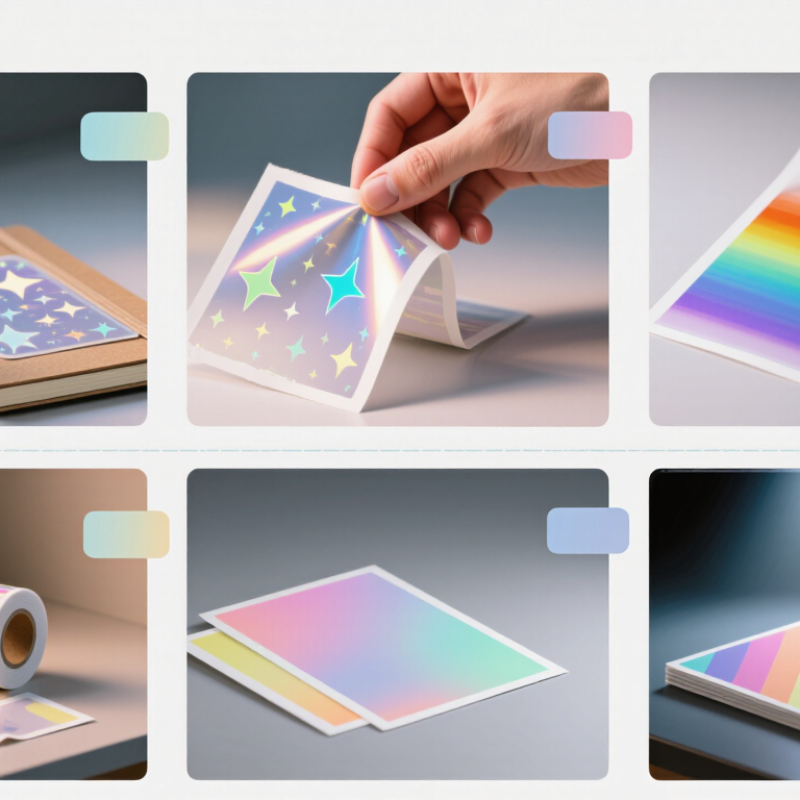
7 Tips for Choosing Hologram Sticker Sheets
Define the purpose before choosing hologram sticker sheets. Product packaging, event invitations, certificates, and retail labels need different designs. A decorative sheet may suit gift boxes, but it may fail on small text. Consider the viewing distance, lighting, and surface shape. Flat glass and curved plastic need different adhesive performance. Outdoor applications also require resistance to moisture, heat, and sunlight. The wrong purpose creates expensive rework.
Tip: Identify the application, surface, size, and expected lifespan. Tip: Choose a pattern that supports readability instead of hiding important details. Tip: Check whether the sheet must be cut, printed, laminated, or applied by hand. I once underestimated curved surfaces. The sticker looked perfect on paper, then lifted near the edges. That mistake was avoidable.
Tip: Request samples before ordering large quantities. Test them on the actual material, not only on a clean sample card. Rub the surface gently, expose it to normal handling, and inspect the adhesive after several days. Tip: Ask for clear specifications about thickness, adhesive type, temperature range, and print compatibility. Tip: Compare visual quality under bright and dim light. Tip: Confirm whether the holographic effect supports the intended message. Tip: Keep a small production record for future orders. It sounds excessive, but details often disappear during repeat purchasing.
| Tip | Purpose or Application | What to Consider | Practical Selection Guidance |
|---|---|---|---|
| 1. Define the primary purpose | Decoration, product labeling, tamper evidence, or visual authentication | A decorative effect and a security feature serve different needs. A holographic appearance alone does not prove that a product is genuine. | Write down the main job the sticker must do before choosing its finish, adhesive, and sheet layout. |
| 2. Match the sticker to its application | Packaging, paper goods, electronics, promotional items, or sealed cartons | The surface may be smooth, textured, curved, or coated. These conditions can affect how well a label adheres. | Identify the surface material and shape, then test a sample on the actual item before ordering a full run. |
| 3. Choose the right adhesive behavior | Temporary promotions, permanent product labels, or tamper-evident seals | Removable and permanent adhesives are intended for different uses. Tamper-evident constructions may leave a visible mark or break when removed. | Ask for the adhesive type and removal behavior; confirm compatibility with the target surface and intended use. |
| 4. Select a suitable holographic effect | Shelf appeal, branded-looking graphics without naming a brand, or a distinctive seal | Patterns and reflective finishes vary in appearance under different lighting and viewing angles. Fine details may be less noticeable on small stickers. | Compare physical samples under typical display lighting and check that any text or symbols remain legible. |
| 5. Check printing and artwork needs | Adding a logo, serial number, instructions, or other variable information | Reflective surfaces can affect contrast, while printing methods and inks differ in their compatibility with label materials. | Confirm the intended printing process with the supplier and request a printed proof or material sample when available. |
| 6. Consider the operating environment | Indoor retail, shipping, refrigerated storage, or outdoor display | Moisture, heat, sunlight, abrasion, and handling can affect label appearance and adhesion. Performance depends on the full material and adhesive construction. | Share the expected conditions with the supplier and test the finished sticker under representative conditions. |
| 7. Plan the sheet format and application process | Hand application, manual dispensing, or use with compatible production equipment | Sticker size, spacing, sheet dimensions, and liner format influence storage, handling, and application speed. | Confirm the required dimensions and equipment compatibility, then test a sheet to check that stickers peel and apply as intended. |
Define the use, surface, size, and expected lifespan. A gift box, certificate, and outdoor label have different needs.
Choose a pattern that keeps important details readable. Busy reflections can hide fine lettering, especially under bright lights.
Test a sample on the actual surface. Clean and dry it first, then inspect the edges after several days.
Yes. Check whether the sticker stays flat around curves. I once saw a sample lift at the edges; paper testing had missed it.
Permanent adhesive is intended for longer-lasting applications. Removable adhesive may lift more cleanly from suitable surfaces, but neither option works everywhere.
Thin holographic film may conform better to gentle curves. Thicker film can feel sturdier, but may resist tight bends.
Yes. Consider the conditions the sticker will face, such as a cold delivery area or occasional splashes. Check specifications, not guesses.
Compare samples in bright and dim light. Reflections can look different from what a screen suggests. Not always flattering.
Ask about thickness, adhesive type, temperature range, and print compatibility. Confirm whether sheets need cutting, printing, lamination, or hand application.
It can reveal lifting, wrinkles, or poor readability before a large order. Keep a simple record for repeat purchases. I sometimes skip this step, and should reconsider.
Choosing the right Hologram Sticker Sheets begins with understanding their purpose and application. Consider whether they are intended for product decoration, packaging, labeling, crafts, or promotional projects, then compare holographic effects, patterns, colors, and visual movement to find an appearance that matches your design. The right style should be attractive while remaining clear and suitable for the intended audience.
It is also important to check adhesive strength, sheet material, and compatibility with surfaces such as paper, plastic, glass, or coated packaging. Evaluate sheet size, cutting methods, durability, moisture resistance, and safe handling requirements before purchasing. Finally, review customization options, minimum order quantities, print quality, and total cost, including shipping and production expenses. A balanced decision will help ensure that the sticker sheets look appealing, perform reliably, and provide good value for the project.