Animal Shaped Sticky Notes bring practical organization and visual appeal to offices, schools, bookstores, and promotional campaigns. For wholesale buyers, appearance is only one purchasing factor. Paper quality, adhesive strength, print clarity, packaging, and reorder consistency matter just as much.
This guide reviews ten strong options for bulk purchasing. Each design is considered through a buyer’s practical lens. A panda note may attract children, while a cat or fox shape may suit stationery retailers. However, cute artwork cannot compensate for weak glue or ink that smears after handling. We look for smooth writing surfaces, reliable adhesion, clean die-cut edges, and sizes that remain useful on planners or documents.
Wholesale decisions also require careful supplier verification. Buyers should request samples, material details, production photos, and clear information about minimum order quantities. Food-safe claims are unnecessary here, but non-toxic inks and responsible paper sourcing still deserve attention. Packaging should protect corners during shipping and display products neatly at retail counters.
No ranking is flawless. Customer preferences differ across markets. A bright animal shape may sell quickly in one region and move slowly elsewhere. Small tests can reveal more than attractive catalog images. Based on hands-on stationery evaluation and common procurement concerns, this selection highlights Animal Shaped Sticky Notes with balanced design, usability, and commercial potential. The goal is not simply to find the cutest note. It is to identify products that customers enjoy using and retailers can confidently reorder.
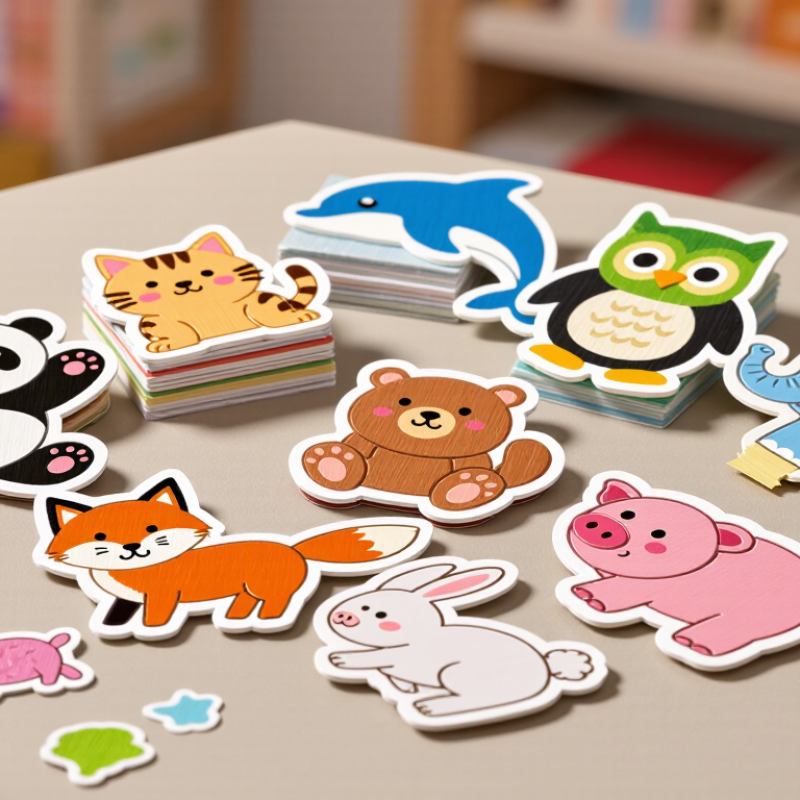
Animal-shaped sticky notes suit wholesale buyers because they combine practical use with strong visual appeal. Their playful silhouettes attract children, teachers, office workers, and gift-shop customers. A cat, bear, or leaf shape can make a simple reminder feel more memorable. This supports impulse purchases and encourages repeat orders.
For wholesale planning, function must remain central. Notes should use adhesive that holds lightly but removes cleanly from paper. The paper needs enough thickness for clear writing without ink bleeding through. Consistent cutting is also important. Uneven edges can make a product look cheaper. Buyers should request samples and test them on notebooks, folders, glass, and painted surfaces. Real testing reveals problems that product photos hide. I have seen attractive designs fail because the writing area was too small.
Tips: Compare several shapes, sizes, paper weights, and adhesive strengths before placing a large order. Check packaging durability, carton protection, and moisture resistance during shipping. Ask suppliers for material details, production tolerances, and quality-control records. Mixed designs can increase shelf interest, but too many variations may complicate inventory management. Simple assortments often sell better than overloaded collections. Trends matter, although they can change quickly. A practical balance between novelty, usability, and stable supply usually gives wholesale buyers more confidence.
| Rank | Animal Shape | Typical Finished Size | Recommended Paper | Sheets per Pad | Adhesive Coverage | Wholesale Advantage | Best Use |
|---|---|---|---|---|---|---|---|
| 1 | Cat | Approx. 76 × 76 mm | 70–80 gsm uncoated paper | 50 sheets | Top-edge strip, about 25–35% | Recognizable silhouette with efficient die-cutting | Stationery sets and school supplies |
| 2 | Puppy | Approx. 76 × 82 mm | 70–80 gsm uncoated paper | 50 sheets | Top-edge strip, about 25–35% | Broad appeal and easy themed assortment | Gift shops and children's stationery |
| 3 | Bunny | Approx. 70 × 90 mm | 70–80 gsm uncoated paper | 50 sheets | Top-edge strip, about 25–35% | Tall ears create a distinctive shelf profile | Easter assortments and gift packaging |
| 4 | Bear | Approx. 80 × 78 mm | 70–80 gsm uncoated paper | 50 sheets | Top-edge strip, about 25–35% | Compact shape supports economical carton packing | Libraries and classroom organization |
| 5 | Panda | Approx. 78 × 80 mm | 70–80 gsm uncoated paper | 50 sheets | Top-edge strip, about 25–35% | Simple two-tone artwork reduces print complexity | Travel retail and children's products |
| 6 | Fox | Approx. 74 × 86 mm | 70–80 gsm uncoated paper | 50 sheets | Top-edge strip, about 25–35% | Angular outline offers strong visual differentiation | Boutique stationery and seasonal displays |
| 7 | Owl | Approx. 72 × 84 mm | 70–80 gsm uncoated paper | 50 sheets | Top-edge strip, about 25–35% | Suitable for educational themes and mixed packs | Teachers, students and planners |
| 8 | Penguin | Approx. 70 × 88 mm | 70–80 gsm uncoated paper | 50 sheets | Top-edge strip, about 25–35% | Seasonal shape with a stable, upright format | Winter promotions and gift bundles |
| 9 | Dinosaur | Approx. 82 × 75 mm | 70–80 gsm uncoated paper | 50 sheets | Top-edge strip, about 25–35% | High visual impact for children's collections | Toy stores and educational kits |
| 10 | Elephant | Approx. 84 × 78 mm | 70–80 gsm uncoated paper | 50 sheets | Top-edge strip, about 25–35% | Wide body provides a practical writing area | Office supplies and family stationery |
Specification note: Dimensions are typical finished-product benchmarks for die-cut sticky notes. Actual sizes, paper weights, sheet counts, adhesive placement and packaging configurations may vary by production requirements.
Cat and dog notes fit stationery shops. Dinosaur and whale designs attract children and classroom buyers. Fox, owl, and bear shapes look more decorative.
Test notes on paper, plastic, glass, and painted desks. They should stay attached without heavy residue. Weak glue creates returns.
Inspect the central writing area carefully. Small ears, tails, or legs may reduce usable space. A cute shape is not always practical.
Check thickness, ink absorption, color consistency, and edge quality. Around 70–80 gsm paper can offer useful stiffness. Samples still need testing.
Examine ears, tails, narrow legs, and tiny printed details. Edges should look clean and produce little paper dust. Small flaws multiply across large cartons.
Flat packs help protect corners and thin shapes. Strong backing cards reduce bending during transport. Clear labels help warehouse teams count quickly.
Confirm artwork, color references, adhesive placement, carton counts, and barcode information. Request pre-shipment photos. Tiny printed eyes can shift during cutting.
Compare several suppliers using identical artwork. Test samples from different batches. Keep one approved sample for production comparison. I once trusted the first carton too much. Random inspections are slower, but safer.
Animal Shaped Sticky Notes are a practical and engaging wholesale product for bookstores, gift shops, stationery retailers, schools, and promotional programs. Their playful designs attract children, students, office workers, and creative users, while their everyday usefulness supports repeat purchases. Wholesale buyers can explore various animal styles, including pets, woodland creatures, ocean animals, and farm designs, with options in different colors, page counts, and formats. Important product features include smooth writing surfaces, reliable adhesive, easy-to-remove backing, and durable paper or environmentally considerate materials.
When comparing suppliers, buyers should evaluate unit pricing, minimum order quantities, production lead times, sample availability, and quality consistency. Packaging may range from individual wrapping to retail-ready sets or bulk cartons, depending on sales channels. Customization can include animal shapes, colors, printed logos, package artwork, and themed collections. Before placing a large order, buyers should confirm adhesive performance, cutting accuracy, print quality, packaging strength, and inspection procedures to ensure the finished products meet customer expectations and arrive safely.